
Hemp as Ancient Fiber — 6,000 Years of Cultivation
From Neolithic cordage to British warships to colonial Virginia mandates — six thousand years of Cannabis sativa as one of humanity's most important industrial crops.
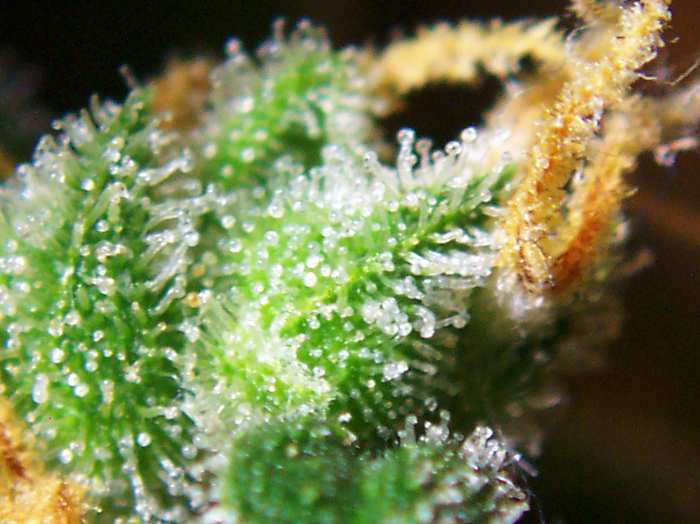
Before cannabis was a drug, it was a rope. Before it was a medicine, it was a sail. For most of human history, Cannabis sativa was valued not for what it did to the mind but for what it did in the hand — a fiber crop of extraordinary versatility, cultivated across four continents for millennia before anyone thought to prohibit it.
Neolithic origins: the oldest cultivated fiber
The earliest material evidence of hemp cultivation comes from Neolithic China, where hemp textiles date to roughly 7,000 years ago. Cord-impressed pottery from Taiwan suggests still earlier use — twisted hemp fibers pressed into wet clay before firing. The Chinese character ma (麻) encompassed hemp in all its forms: fiber for textiles, seed for food and oil, and eventually medicine.
In Central Asia, the plant's likely center of origin, archaeological sites across modern Kazakhstan, Uzbekistan, and western China yield hemp cordage and cloth fragments spanning thousands of years. By the time written records begin, hemp cultivation was already ancient.
Chinese papermaking: hemp as information technology
Fangmatan hemp proto-paper
A fragment of hemp-based proto-paper recovered from a tomb at Fangmatan in Gansu province predates the traditional attribution of papermaking to Cai Lun by nearly three centuries. Hemp fiber was the raw material of Chinese writing surfaces long before the process was standardized.
Cai Lun standardizes papermaking
The court eunuch Cai Lun is credited with standardizing paper production using bark, hemp, rags, and fishnets. His innovation was process standardization — hemp had already been used in proto-paper for centuries. This technology would eventually transform global literacy.
Hemp rag stock remained a primary papermaking material for centuries after Cai Lun. The second century BCE Fangmatan fragment establishes that hemp-based writing surfaces were in use well before any formalized process. When papermaking technology eventually spread westward — through the Islamic world and into Europe — hemp fiber traveled with it.
European naval empires: 50 to 100 tons per warship
By the Renaissance, hemp was a strategic commodity. A single warship required 50 to 100 tons of hemp for rigging, rope, and canvas. The word "canvas" itself derives from "cannabis" — an etymology accepted by most standard dictionaries and uncontested by linguists.
The British Navy's dependence on hemp shaped international diplomacy for centuries. Britain imported enormous quantities of hemp from Russia, and the security of that supply chain was a matter of national survival. Napoleon's Continental System, which attempted to cut Britain off from Russian hemp supplies, was partly motivated by the strategic importance of the fiber. The British Navy literally could not sail without hemp rope.
Colonial American mandates
Hemp was not merely permitted in colonial America — it was required. Virginia, Massachusetts, and Connecticut all passed laws at various points compelling farmers to grow hemp. These mandates reflected the strategic importance of fiber production for a colonial economy dependent on rope, sailcloth, and textiles.
Virginia hemp mandate
The Virginia Assembly required every farmer to grow hemp. Similar mandates followed in Massachusetts and Connecticut. Hemp was so central to colonial economies that it was accepted as legal tender in some colonies — farmers could pay their taxes in hemp fiber.
Kentucky became the center of American hemp production in the early Republic, producing 40,000 tons by 1850. That industry was built on enslaved labor — hemp processing (breaking, hackling, spinning) was brutally physical work — and when Emancipation destroyed the labor model, the industry collapsed. Kentucky hemp is covered in detail in our 19th-century section.
Decline and suppression
Hemp cultivation declined in the late 19th century as steam-powered ships replaced sail, cotton gins made cotton processing cheaper, and imported Manila hemp (abaca) captured the cordage market. By the time the Marihuana Tax Act of 1937 imposed prohibitive regulation on all forms of cannabis, American hemp agriculture was already marginal — though not dead.
The Tax Act did not distinguish between psychoactive marijuana and industrial hemp. The same plant that had been required by colonial law was now effectively prohibited by federal law. That prohibition would last 81 years, until the 2018 Farm Bill removed hemp from the Controlled Substances Act.
What the fiber record establishes
The agricultural history of hemp is not in dispute. It is documented in the archaeological record, in naval procurement archives, in colonial legislation, and in agricultural census data. Hemp was one of humanity's first cultivated fibers, a strategic naval commodity, a colonial economic staple, and a casualty of drug prohibition that made no distinction between rope and reefer.
That history does not require inflation. It does not need conspiracy theories to be impressive. Six thousand years of continuous cultivation, across four continents, ending in eighty years of needless suppression — the documented record is extraordinary on its own terms.
For in-depth cannabis education, dosing guides, safety information, and research summaries, visit our partner site TryCannabis.org