
Dennis Peron (1945-2018) — Father of Medical Cannabis
A gay Vietnam veteran who smuggled cannabis home from Saigon, opened the first dispensary, wrote Proposition 215, opposed legalization to the end, and died at the San Francisco VA of Agent Orange-linked disease.
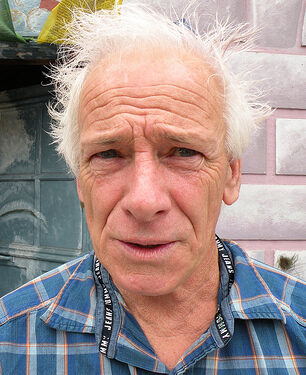
Born in the Bronx, New York
Dennis Peron is born in the Bronx. He will spend most of his adult life in San Francisco, but the trajectory that takes him there runs through Vietnam.
Vietnam
Peron enlisted in the United States Air Force and was stationed at Tan Son Nhut Air Base in South Vietnam. He was 19 years old during the Tet Offensive, when he was assigned morgue duty — processing the bodies of American servicemen. The experience shaped the rest of his life. He came out as gay during or shortly after his service. When he returned to the United States, he smuggled two pounds of cannabis home in his duffel bag.
The Castro
Arrives in the Castro
Peron settles in San Francisco's Castro District, which is in the early stages of becoming the center of American gay political life. He opens The Island restaurant, which becomes a gathering place for the neighborhood's emerging activist community.
Peron's restaurant became the unofficial headquarters for Harvey Milk's 1975 campaign for the San Francisco Board of Supervisors. The Castro was simultaneously becoming a cannabis marketplace. Peron operated Big Top at 715 Castro Street — a barely disguised cannabis dispensary years before the concept had a legal framework.
Raided and shot
Police raid Peron's Castro Street location. Officer Paul Mackavekias shoots Peron during the raid, reportedly expressing the wish for "one less faggot." Peron survives and serves seven months in jail.
Proposition W and the medical turn
Proposition W passes
San Francisco voters pass Proposition W, a non-binding measure supporting medical cannabis. Mayor Dianne Feinstein ignores it. The measure is symbolic but establishes the political template that Peron will use for the next two decades.
The AIDS epidemic transformed Peron's activism from countercultural to humanitarian. When his partner Jonathan West became ill and died in 1990, Peron channeled his grief into building the infrastructure that would become medical cannabis.
The San Francisco Cannabis Buyers Club
Proposition P passes with 79%
San Francisco voters overwhelmingly approve Proposition P, recommending that the state of California legalize medical cannabis. Peron uses the mandate to open the San Francisco Cannabis Buyers Club at 1444 Market Street.
The Cannabis Buyers Club was the first public dispensary in the United States. At its peak, it served more than 8,000 members — overwhelmingly people with AIDS, cancer, and other serious conditions. It operated openly, in defiance of state and federal law, because Peron understood that visibility was itself a political strategy. Sick people obtaining medicine in public was harder to prosecute than drug deals in back alleys.
Proposition 215
Proposition 215 passes with 55.6%
California voters approve the Compassionate Use Act, making California the first state to legalize medical cannabis. Peron is the measure's primary author and organizer.
Proposition 215 was the most consequential cannabis law in American history before Colorado and Washington legalized adult use in 2012. It cracked federal prohibition open at the state level and created the template that 39 other states would eventually follow.
Attorney General Lungren raids the Buyers Club
Three months before the Proposition 215 vote, California Attorney General Dan Lungren raids the Cannabis Buyers Club. The raid backfires — it generates sympathy for the medical cannabis cause and arguably helps Prop 215 pass.
"All marijuana use is medical"
Peron's most controversial position was also his most consistent. He opposed Proposition 19 (2010) and Proposition 64 (2016) — the two California measures that legalized adult recreational use. His reason was philosophical: "All marijuana use is medical." He rejected the medical/recreational distinction entirely, arguing that everyone who uses cannabis is self-medicating in some form.
The position cost him allies in the reform movement, which had moved toward recreational legalization as the primary goal. Peron saw recreational legalization as a corporate takeover of a plant that should be available as medicine to anyone who needed it. He ran in the 1998 Republican gubernatorial primary against Dan Lungren — the attorney general who had raided his dispensary — and finished second.
Final years
Peron spent his later years on a farm near Clearlake, California, giving away cannabis to people who needed it. He had been exposed to Agent Orange during his service in Vietnam. He developed lung cancer and COPD — conditions linked to herbicide exposure.
Dies at the San Francisco VA
Dennis Peron dies at the San Francisco VA Medical Center at age 72. The man who had smuggled cannabis home from Vietnam, been shot by a police officer who called him a faggot, opened the first dispensary, and written the first medical cannabis law died in a federal hospital.
SB 34: Dennis Peron and Brownie Mary Act
California passes Senate Bill 34, the Dennis Peron and Brownie Mary Act, which provides tax exemptions for cannabis donated to medical patients — honoring the principle that Peron spent his life fighting for.
For in-depth cannabis education, dosing guides, safety information, and research summaries, visit our partner site TryCannabis.org