The Hemp Story — An Ancient Crop, Miscast as a Drug
Six thousand years of cultivation, eighty years of needless suppression, and a 2025 law that closed the delta-8 loophole. The industrial story of Cannabis sativa — parsed honestly.
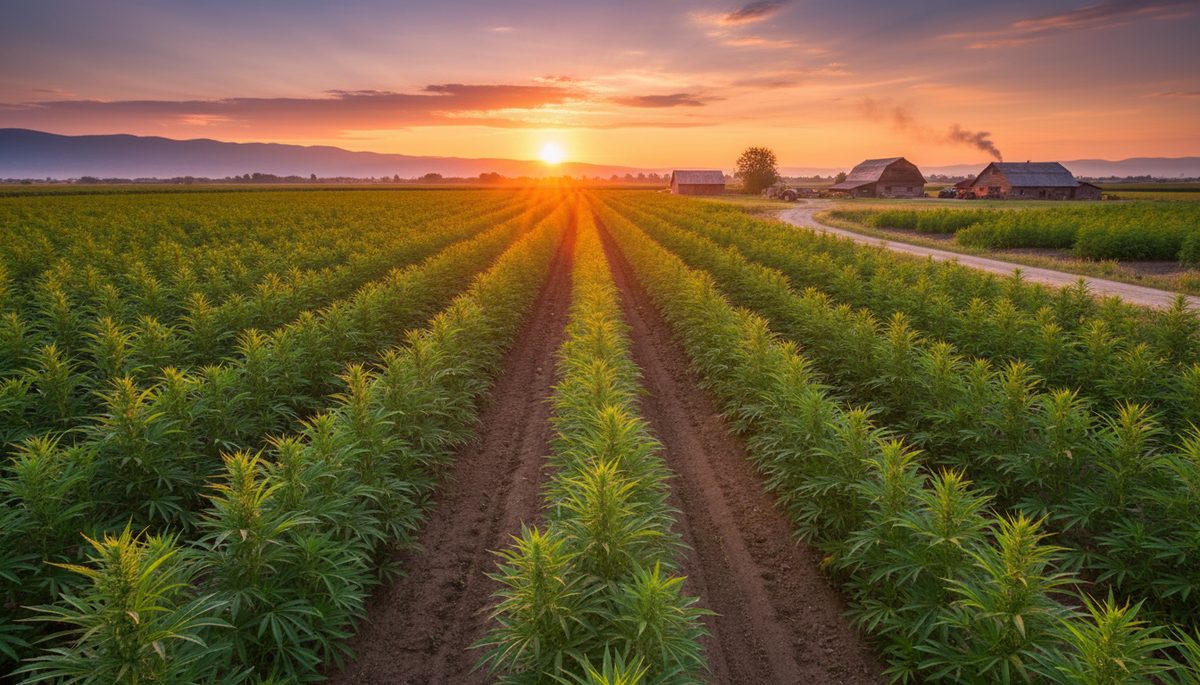
Hemp is one of humanity's oldest cultivated plants — older than cotton, older than wheat in some regions. Archaeological textile fragments from Neolithic sites in China, Central Asia, and Europe establish Cannabis sativa as a fiber crop long before it was understood as a drug. For centuries, European navies sailed on hemp rope and hemp canvas. Colonial American farmers were required by law to grow it.
Jack Herer's 1985 The Emperor Wears No Clothes argued that hemp was a suppressed miracle crop eliminated by industrial conspiracy. Four decades on, some of his claims have been vindicated by the market. Others remain myth. This section takes them one at a time.
The chapters
Ancient Fiber
Neolithic textiles, Chinese papermaking, European naval empires, colonial mandates — the agricultural history of hemp across six millennia.
Read →Herer's Thesis
Paper, fuel, Ford's car, the Gutenberg Bible, hempcrete. Claim by claim — what's documented history, what's myth, and what's somewhere in between.
Read →Hemp for Victory
The 1942 USDA film the government denied existed for decades — until Jack Herer and Maria Farrow found it in the Library of Congress in 1989.
Read →The Farm Bills
Section 7606 (2014) reopened the fields. The 2018 Farm Bill removed hemp from the CSA entirely. For the first time since 1937, American farmers could grow hemp legally.
Read →The Loophole
Delta-8, THCA flower, hemp-derived delta-9 gummies — a multi-billion-dollar market in the gap. P.L. 119-37 closes it by November 2026.
Read →For in-depth cannabis education, dosing guides, safety information, and research summaries, visit our partner site TryCannabis.org